It's easy to underestimate how much inaccurate stock data actually costs a business, because the losses rarely show up as a single line item on a report. Instead, they're spread across missed sales, wasted labor, and purchasing decisions that looked reasonable at the time but were based on the wrong numbers.
When stock records are wrong, businesses tend to make one of two costly mistakes. They either oversell items they don't actually have in stock, which damages customer trust and forces awkward cancellations, or they hold excess inventory they didn't realize they had, quietly tying up cash that could have been used elsewhere.
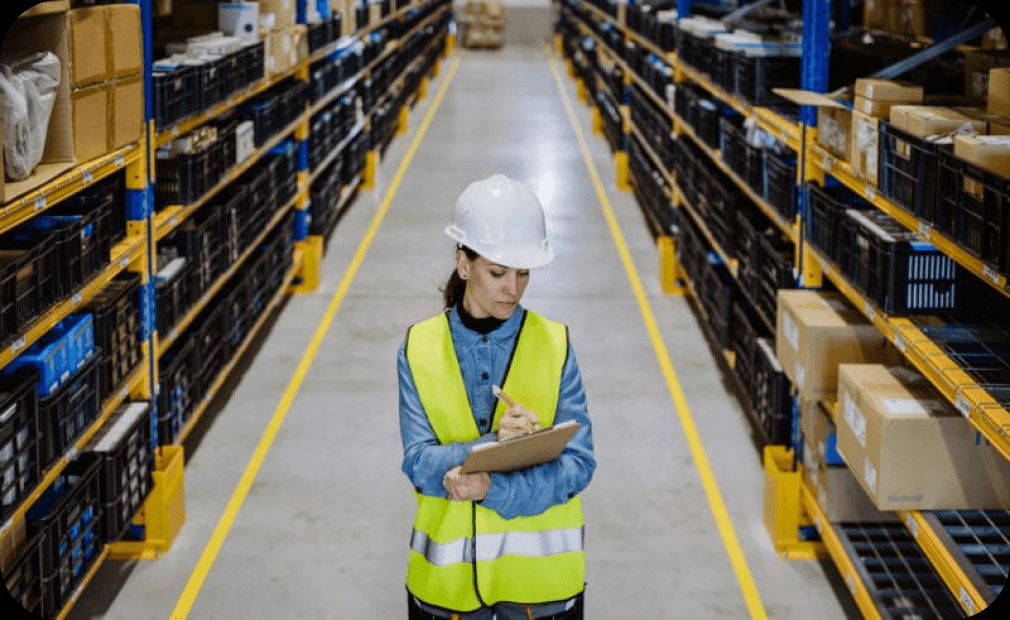
There's also a hidden labor cost that's easy to overlook. Every time staff have to manually double-check stock because the system can't be fully trusted, that's time taken away from picking, packing, receiving, or any other task that actually moves the business forward.
Inaccurate data also erodes decision quality over time. Purchasing teams end up padding orders 'just in case,' planning teams build forecasts on numbers they privately don't trust, and the whole organization starts compensating for the system instead of relying on it.
Customer experience takes a hit as well. A promised delivery date that turns out to be wrong because the item wasn't actually in stock doesn't just cost one sale, it chips away at the confidence a customer has in ordering from you again.
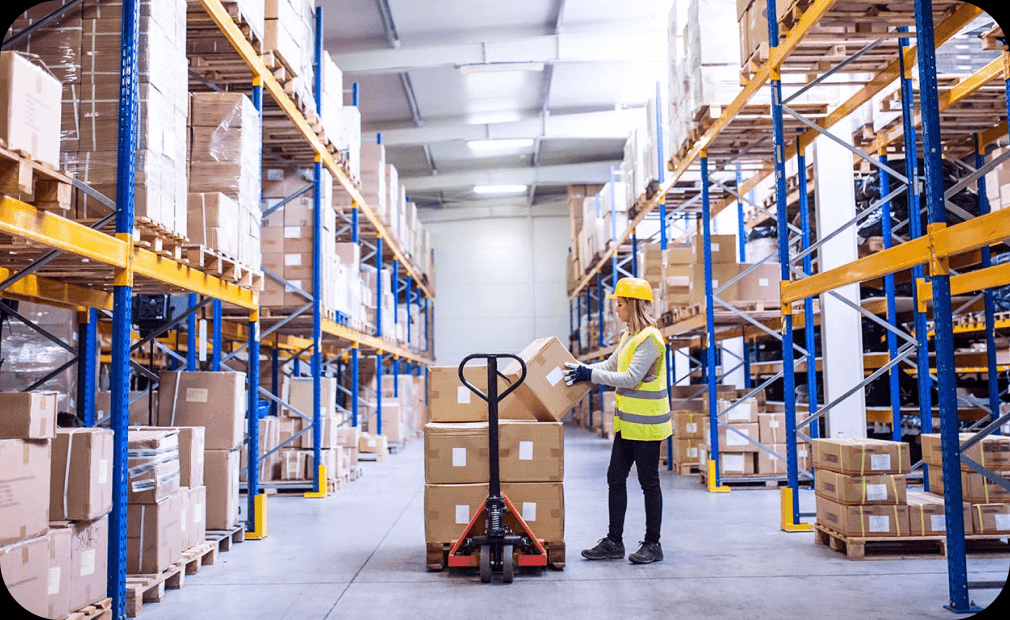
Fixing this doesn't require a massive investment or a complete rebuild of your operations. It requires a system that captures every movement accurately the first time, so the numbers on screen always match what's actually sitting on the shelf, without anyone needing to double-check by hand.
Once that trust is rebuilt, the savings show up in places that are easy to miss until they're gone: fewer emergency reorders, fewer cancelled sales, and a team that spends its time managing the warehouse instead of second-guessing it.